


 English

News
Tue 06 , 2026
In today’s automotive industry, lightweight Design, high precision, and structural durability are critical requirements for vehicle components. The Lower Cover PHEV BEC is a typical example of how advanced automotive injection molding technology is applied to produce complex functional parts with stable performance and cost efficiency.
As electric and hybrid vehicles continue to evolve, components such as battery enclosure covers, lower protective housings, and structural plastic parts require highly reliable manufacturing processes. This is where Automotive injection molding plays a key role in ensuring consistent quality, dimensional accuracy, and long-term durability.
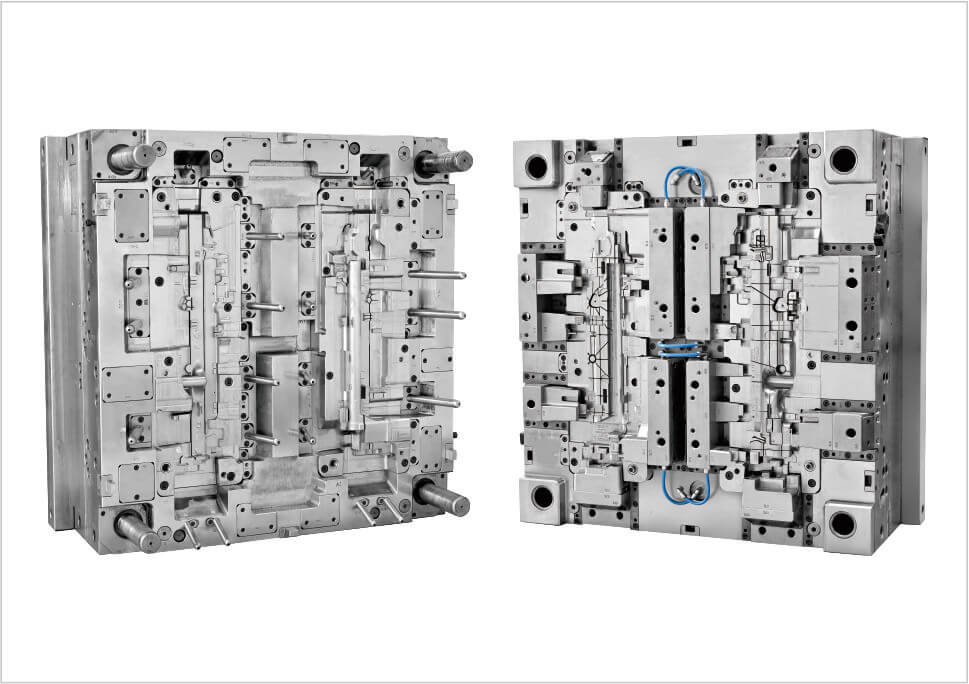
The Lower Cover PHEV BEC is a structural plastic component commonly used in hybrid electric vehicles (PHEV systems). It serves as a protective housing for electrical and battery-related modules, helping to shield internal components from dust, vibration, moisture, and mechanical impact.
This type of part is typically manufactured using high-precision plastic injection molding processes to ensure consistent performance under demanding automotive conditions.
Automotive injection molding is one of the most widely used manufacturing processes for producing plastic automotive components. It enables mass production of complex geometries while maintaining tight tolerances and excellent surface quality.
For parts such as Lower Cover PHEV BEC, injection molding ensures:
High dimensional accuracy for perfect assembly fit
Strong structural integrity under vibration and load
Consistent production quality in large-scale manufacturing
Cost-effective mass production for OEM suppliers
A high-performance plastic injection molding mold is essential for producing automotive structural components like the Lower Cover PHEV BEC. The mold design directly affects product quality, production efficiency, and Tooling lifespan.
| Mold Design Factor | Engineering Purpose | Production Benefit |
|---|---|---|
| Precision Cavity Machining | Ensure dimensional accuracy | Stable part fitting in assembly |
| Optimized Cooling System | Control temperature distribution | Reduce cycle time and warpage |
| Hot Runner System | Improve material flow efficiency | Reduce material waste |
| High-Strength Tool Steel | Improve mold durability | Long service life for mass production |
Selecting the right material is critical in automotive plastic manufacturing. Plastic moulding supplies used in PHEV components must meet requirements for strength, heat resistance, and long-term durability.
PP (Polypropylene) – lightweight and cost-efficient
ABS – high impact resistance and good surface quality
PC/ABS – balance of strength and heat resistance
PA (Nylon) – high mechanical strength for structural parts
Glass fiber reinforced plastics – enhanced rigidity and durability
The Lower Cover PHEV BEC is widely used in modern hybrid and electric vehicles. Its primary function is protection and structural support within battery and electronic systems.
Hybrid Electric Vehicle battery enclosure systems
Power electronics housing protection
Undercarriage structural protection components
Electrical control module shielding
Vehicle chassis integration systems
Compared with traditional manufacturing methods, plastic injection molding mold technology provides significant advantages for automotive suppliers:
High-volume production efficiency
Consistent part quality and repeatability
Reduced manufacturing cost per unit
Complex geometry capability
Improved surface finish and precision
Modern automotive manufacturing increasingly relies on plastic moulding supplies due to their lightweight properties, corrosion resistance, and design flexibility.
For EV and PHEV systems in particular, reducing weight while maintaining structural performance is essential for improving energy efficiency and driving range.
It is used to manufacture high-precision plastic automotive parts such as covers, housings, structural components, and interior/exterior trims.
The mold determines the accuracy, surface quality, and durability of the final automotive part during mass production.
Common materials include PP, ABS, PC/ABS, PA, and reinforced engineering plastics.
Yes, it is widely used due to its ability to produce lightweight, durable, and cost-efficient components for electric vehicle systems.
The Lower Cover PHEV BEC demonstrates how Automotive injection molding technology supports modern vehicle engineering by delivering high-precision, durable, and cost-efficient plastic components.
By combining advanced plastic injection molding mold design with high-quality plastic moulding supplies, manufacturers can achieve superior performance and scalability in automotive production systems.
We attach great importance to the customers' demands for product quality and rapid production.
We always believe that meeting the customers' needs is the realization of our value!