


 English

News
Wed 06 , 2026
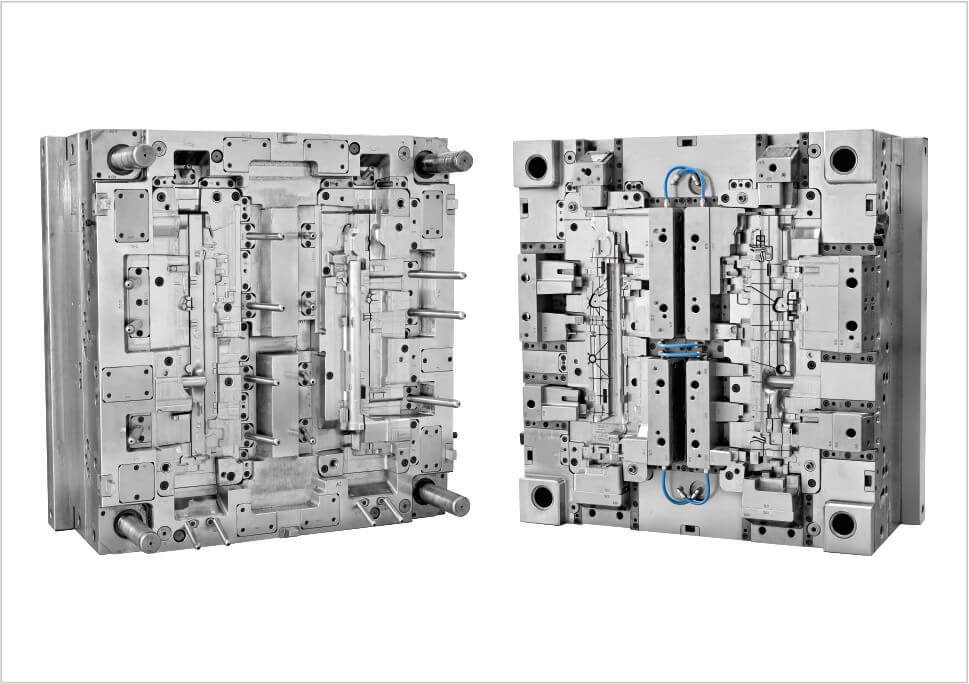
As electric and hybrid vehicles continue to gain market share worldwide, the demand for lightweight and durable battery protection components is growing rapidly. At Youking, we specialize in developing high-precision Automotive plastic injection mold solutions for complex automotive applications. One of our representative projects is the automotive battery cover Designed for PHEV battery systems, which combines lightweight construction, structural strength, and long-term reliability.
Unlike conventional automotive plastic parts, battery protection components must withstand vibration, temperature fluctuations, moisture exposure, road debris, and long service cycles. Therefore, the quality of the Automotive plastic injection mold directly influences the performance, dimensional accuracy, and durability of the final battery cover.
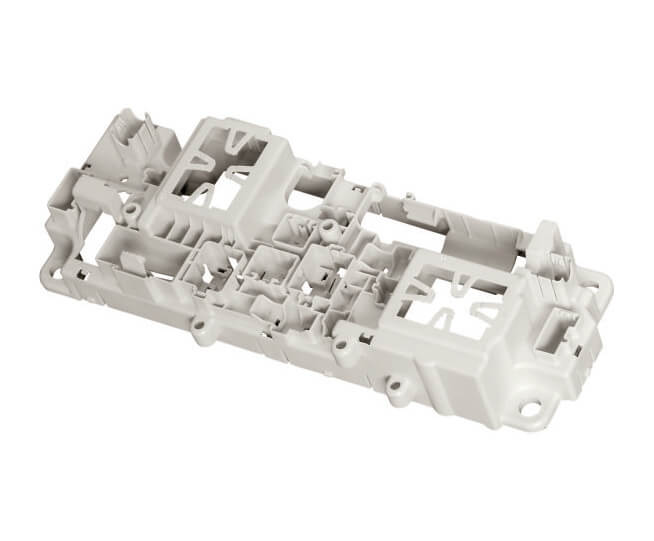
An automotive battery cover is a protective structural component installed around the battery pack of a Plug-in Hybrid Electric Vehicle (PHEV) or Electric Vehicle (EV). Its primary purpose is to shield sensitive battery modules from external impacts, water intrusion, dust, chemicals, and environmental contamination.
In modern vehicle platforms, battery covers also contribute to thermal management, electrical insulation, noise reduction, and overall vehicle safety. As battery systems become larger and more powerful, the requirements for battery cover design continue to increase.
Manufacturers increasingly choose plastic injection molding over traditional metal fabrication when producing battery protection components. A professionally designed Automotive plastic injection mold offers several important advantages:
Significant vehicle weight reduction
Improved corrosion resistance
Complex geometry integration
Lower assembly requirements
Excellent dimensional consistency
Reduced manufacturing costs in mass production
Enhanced electrical insulation properties
For automotive OEMs seeking to improve energy efficiency and vehicle range, lightweight injection-molded battery covers have become a practical solution.
Choosing the right engineering material is critical to the success of an automotive battery cover project. Material performance directly affects mold design, cooling efficiency, mechanical strength, and long-term durability.
| Material | Main Characteristics | Typical Use |
|---|---|---|
| PP GF | Lightweight, good stiffness, cost-effective | Battery covers and housings |
| PA6 GF30 | High strength and temperature resistance | Structural battery components |
| PBT GF | Excellent electrical insulation | High-voltage protection parts |
| PC/ABS | Impact resistance and dimensional stability | Complex automotive assemblies |
The final material selection depends on vehicle requirements, operating environment, and target performance specifications.
Large automotive battery covers often feature complex structures, reinforcement ribs, mounting points, sealing interfaces, and thin-wall sections. These characteristics require advanced mold engineering.
When designing an Automotive plastic injection mold, engineers must carefully optimize:
Runner balancing for uniform filling
Gate position to minimize weld lines
Cooling channels to improve production efficiency
Shrinkage compensation for dimensional accuracy
Structural reinforcement without adding excessive weight
Ejection systems that prevent part deformation
At Youking, advanced mold-flow simulation is used during development to reduce production risks and ensure consistent quality throughout the manufacturing process.
| Comparison Item | Plastic Battery Cover | Metal Battery Cover |
|---|---|---|
| Weight | Lighter | Heavier |
| Corrosion Resistance | Excellent | Requires coating protection |
| Design Flexibility | High | Limited |
| Electrical Insulation | Excellent | Additional insulation required |
| Production Efficiency | Suitable for mass production | More processing steps required |
These advantages explain why more manufacturers are adopting injection-molded battery protection solutions in modern electrified vehicles.
Although the automotive battery cover is primarily designed for PHEV battery packs, the same engineering concepts can be applied to multiple industries and vehicle systems:
Electric vehicle battery enclosures
Energy storage system housings
Power electronics protection covers
Motor protection assemblies
Hybrid vehicle underbody protection panels
Industrial battery management systems
The growing electrification trend continues to create new opportunities for advanced plastic injection molding technologies.
As a professional supplier of automotive Tooling and molded components, Youking focuses on delivering reliable solutions for demanding automotive applications. Our expertise in Automotive plastic injection mold development enables customers to achieve lightweight designs, high-volume production efficiency, and consistent product quality.
For detailed information about our battery protection project, visit:Automotive Battery Cover Lower Cover PHEV BEC
As vehicle electrification accelerates worldwide, the importance of lightweight, durable, and high-performance battery protection components continues to grow. A well-designed Automotive plastic injection mold plays a critical role in ensuring the quality and reliability of every automotive battery cover. Through advanced engineering, optimized materials, and precision manufacturing, Youking helps automotive manufacturers develop next-generation battery protection solutions for PHEV and EV platforms.
We attach great importance to the customers' demands for product quality and rapid production.
We always believe that meeting the customers' needs is the realization of our value!