


 English

News
Mon 06 , 2026
In modern manufacturing, nearly every plastic product you see—automotive parts, consumer electronics housings, medical devices—depends on one critical foundation:the injection mold.
A mold is not just a Tool. It is a precision-engineered system that determines product quality, production stability, cycle time, and even total manufacturing cost.
Mold manufacturing is the process of designing and building a high-precision metal tool used to shape molten plastic into final products.
Cavity and core system
Runner and gating system
Cooling channels
Ejection system
Base and guiding components
Each element must work together with micron-level accuracy to ensure stable mass production.
Before machining begins, engineers perform DFM (Design for Manufacturing) analysis.
This step determines whether a product can be manufactured efficiently without defects such as warping, sink marks, or short shots.
Wall thickness consistency
Draft angle design
Gate position optimization
Cooling feasibility
Ejection system compatibility
A poor DFM stage often leads to costly mold rework later in production.
Once the product is validated, mold designers create a 3D structure of the tooling system.
At this stage, engineers define:
Parting line strategy
Cavity layout (single or multi-cavity)
Hot runner or cold runner system
Cooling channel layout
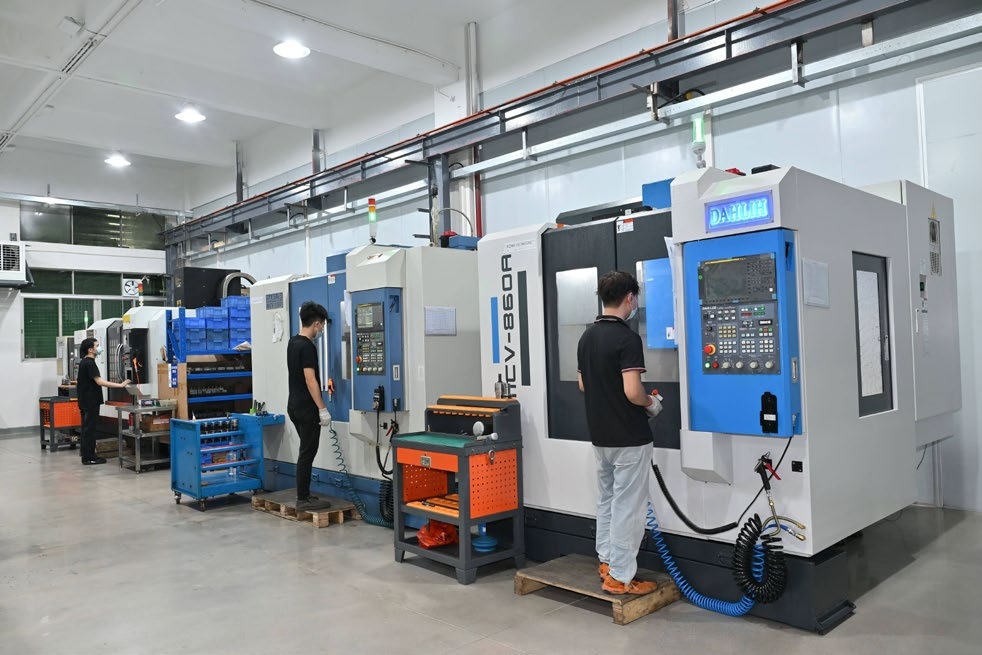
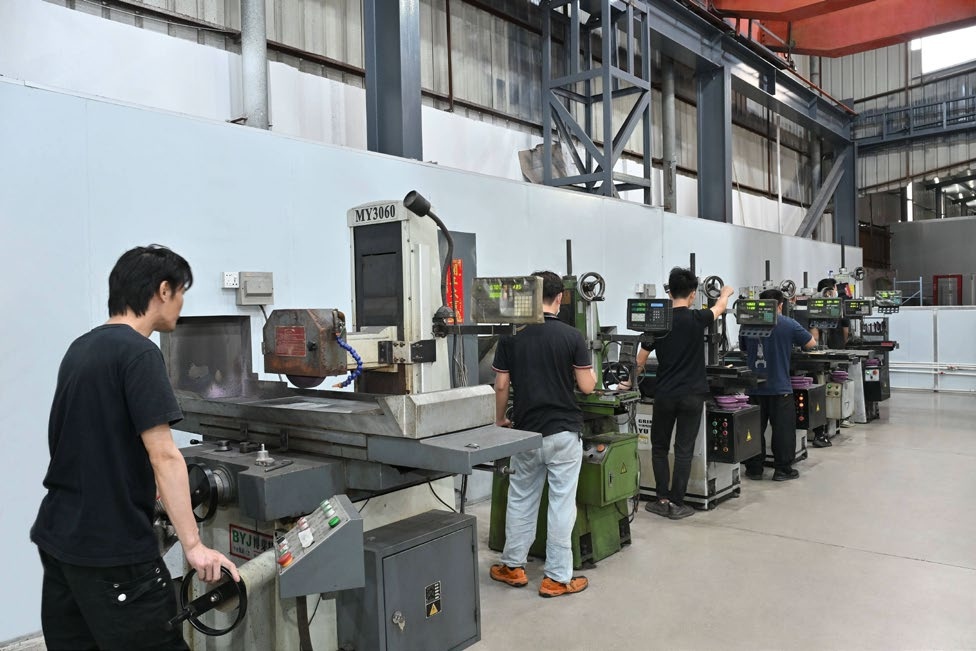
CNC machining is used to cut hardened steel into precise mold components.
| Process | Function | Importance |
|---|---|---|
| Rough Milling | Remove excess material | Basic shaping |
| Finish Milling | High precision contouring | Critical cavity accuracy |
| High-Speed Machining | Improve efficiency | Reduce lead time |
Modern mold manufacturing relies heavily on high-speed CNC systems for complex geometries.
Electrical Discharge Machining (EDM) is used when CNC tools cannot reach deep or complex areas.
Deep ribs and narrow slots
Sharp internal corners
Fine texture detailing
Wire cutting is used for high-precision inserts and hardened steel components.
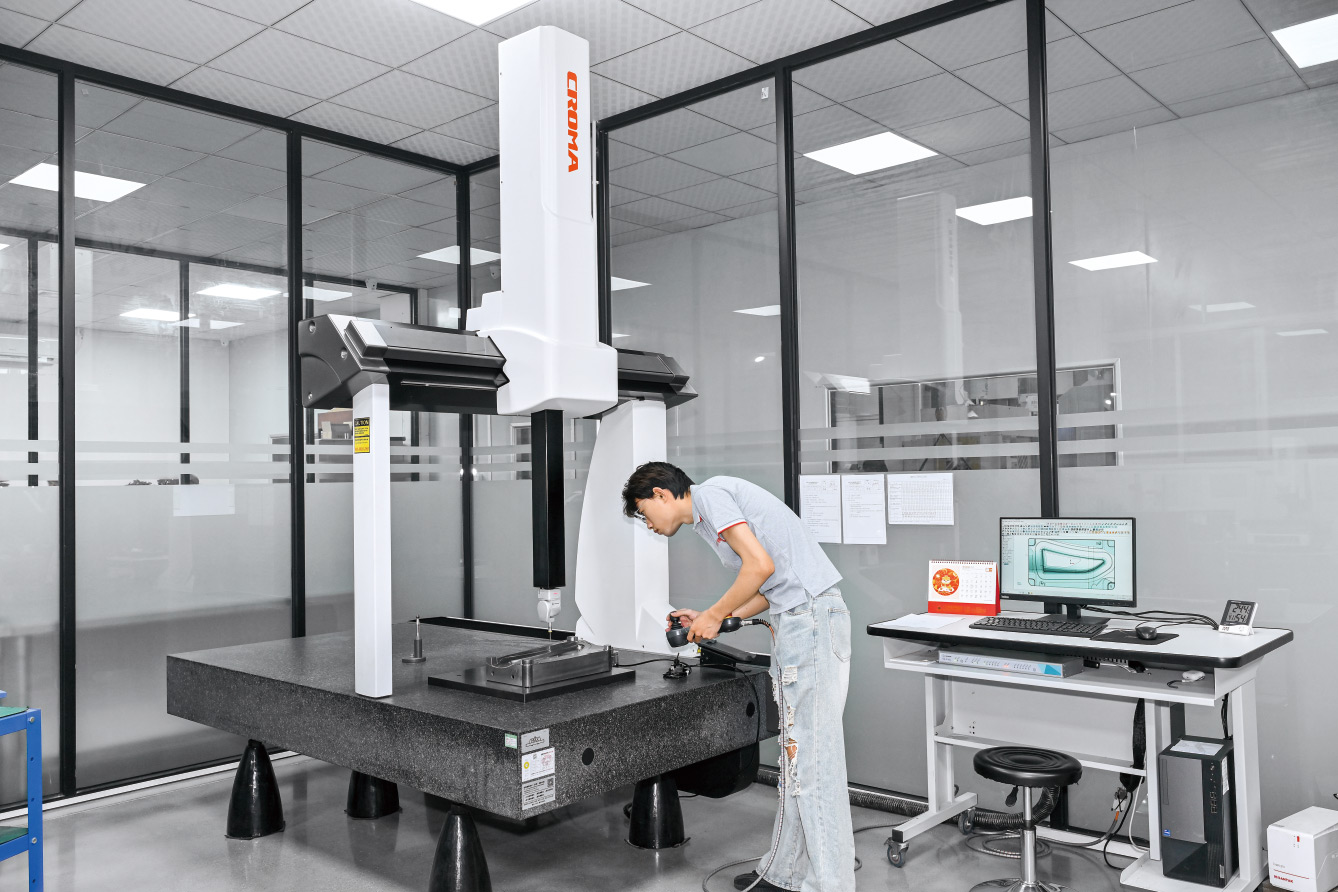
After machining, all components are assembled manually by skilled mold fitters.
Mold alignment accuracy
Injection sealing performance
Long-term wear stability
Even a 0.01 mm mismatch can affect final product quality.
The first mold trial is called T1 sampling.
During this stage, engineers test:
Filling balance
Cooling efficiency
Part shrinkage
Surface quality
In injection molding, the mold often represents 60–80% of total project cost.
However, a high-quality mold reduces long-term cost by:
Lower defect rates
Shorter cycle time
Reduced maintenance downtime
Longer tool life (100,000–500,000+ cycles)
| Industry | Products |
|---|---|
| Automotive | Bumpers, interior trims, connectors |
| Electronics | Housings, connectors, structural parts |
| Medical | Syringes, device shells, Precision Components |
| Consumer Goods | Packaging, appliances, tools |
A professional mold maker ensures stability from design to mass production by integrating:
Advanced CNC machining capability
Experienced mold design engineering
Strict DFM evaluation system
Stable trial and validation process
Explore more:
We attach great importance to the customers' demands for product quality and rapid production.
We always believe that meeting the customers' needs is the realization of our value!