


 English

News
Fri 07 , 2026
Plastic molds are essential Tools used in modern manufacturing to produce accurate and high-quality plastic components. From automotive parts and medical devices to consumer electronics and industrial products, millions of plastic parts are manufactured every day using precision plastic injection molds.
But how to make plastic molds? The process involves much more than machining metal. Professional plastic mold manufacturing requires product analysis, engineering Design, material selection, precision machining, surface finishing, assembly, and mold testing.
Understanding the complete mold-making process helps product developers and buyers choose the right plastic mold manufacturer and avoid costly production problems.
A plastic mold is a precision tool used in the injection molding process to create plastic parts with consistent shapes, dimensions, and surface quality.
During production, plastic pellets are heated and melted before being injected into the mold cavity under high pressure. After cooling and solidifying, the finished plastic part is removed from the mold.
A typical plastic injection mold includes:
Mold base
Core and cavity
Runner system
Gate system
Cooling channels
Ejection system
Guide components
The quality of the mold directly affects product accuracy, production efficiency, cycle time, and manufacturing cost.
Before starting injection mold manufacturing, engineers analyze the product design and production requirements.
The engineering team reviews:
3D CAD models and drawings
Product dimensions and tolerances
Wall thickness
Draft angles
Undercut structures
Plastic material requirements
Surface finish requirements
A professional design analysis helps prevent common injection molding problems such as warping, shrinkage, short shots, and difficult demolding.
For complex products, manufacturers may use mold flow analysis software to simulate plastic filling behavior and optimize the mold structure before production.
After product analysis, engineers create detailed mold design according to product structure and production requirements.
A complete mold design considers:
Mold structure
Cavity quantity
Runner and gate location
Cooling system layout
Ejection method
Maintenance requirements
Good mold design improves production stability, reduces defects, and extends mold service life.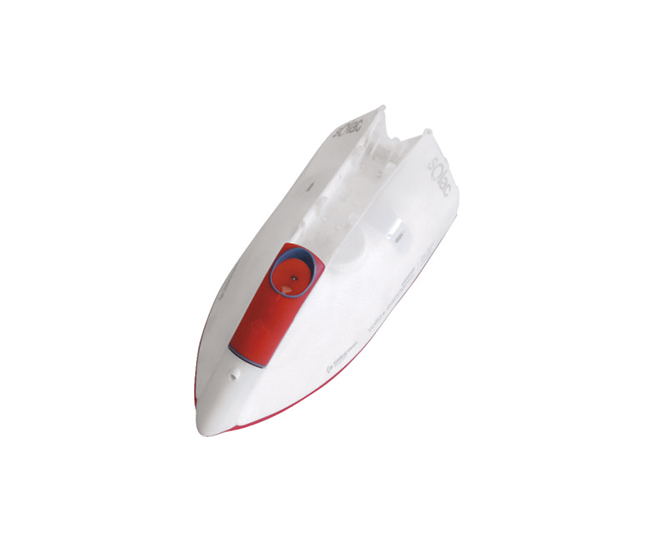
Choosing the correct mold steel is critical for performance and durability. Different applications require different materials.
| Mold Material | Application |
|---|---|
| P20 Steel | General plastic injection molds and medium-volume production |
| 718H Steel | Large molds requiring higher hardness |
| S136 Stainless Steel | Medical parts, optical products, and high-polish applications |
| H13 Steel | High-temperature engineering plastic applications |
The final material choice depends on production volume, plastic material, precision requirements, and expected mold lifespan.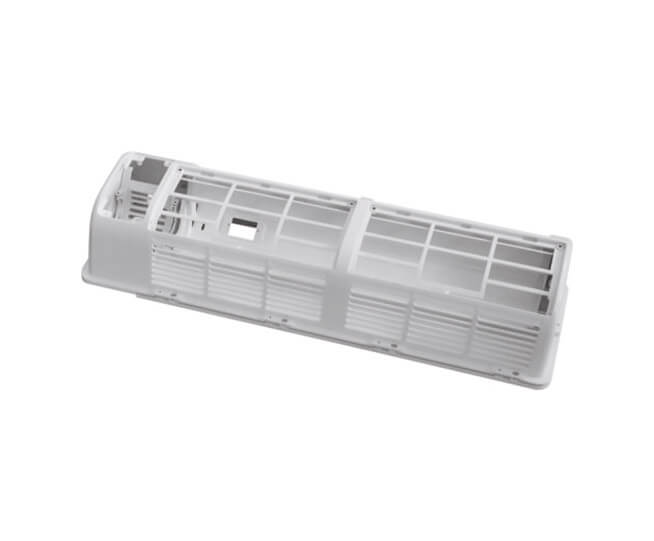
After mold design approval, the mold components are manufactured using advanced machining equipment.
Common manufacturing processes include:
CNC milling
CNC turning
EDM machining
Wire cutting
Grinding
EDM technology is especially important for producing complex cavities, sharp corners, and difficult structures that cannot be easily machined by traditional methods.
High-precision machining ensures that every mold component meets strict dimensional requirements.
After machining, mold surfaces require finishing processes to achieve the required appearance and performance.
Common surface treatments include:
Mirror polishing
Texture finishing
Sand blasting
Laser engraving
Nitriding treatment
Surface quality directly affects plastic part appearance, demolding performance, and mold lifespan.
After finishing, technicians assemble all mold components, including inserts, ejector pins, cooling systems, and guide components.
Before mass production, every mold requires trial production, commonly known as T1 and T2 testing.
Engineers check:
Part dimensions
Surface defects
Filling performance
Cooling efficiency
Ejection performance
Cycle time
If problems occur, engineers modify the mold structure or injection parameters until stable production is achieved.
The manufacturing time depends on mold complexity, size, precision requirements, and production volume.
| Mold Type | Lead Time |
|---|---|
| Prototype Mold | 2-3 weeks |
| Standard Production Mold | 4-8 weeks |
| Complex Multi-Cavity Mold | 8-16 weeks |
Choosing an experienced supplier is important for achieving reliable production results.
A professional plastic mold manufacturer should provide:
Professional mold design support
Advanced CNC machining capability
Strict quality inspection
Mold testing services
Engineering communication
Long-term technical support
A reliable partner can help reduce development risks, improve product quality, and lower long-term manufacturing costs.
YouKing Mould provides professional custom plastic molds and complete injection molding solutions for global customers.
Our services include:
Plastic mold design
Injection mold manufacturing
Precision CNC machining
Prototype development
plastic injection molding production
OEM and ODM solutions
From product concept to mass production, YouKing Mould helps customers develop reliable and cost-effective plastic manufacturing solutions.
Send your product drawings or 3D files to our engineering team. We can evaluate your project and provide a professional mold manufacturing solution.
Making plastic molds requires professional engineering, precision machining, quality materials, and strict testing. Every stage, from product analysis and mold design to machining, assembly, and trial production, affects the final performance of the mold.
Working with an experienced plastic mold manufacturer ensures better product quality, shorter development time, longer mold life, and more efficient production.
We attach great importance to the customers' demands for product quality and rapid production.
We always believe that meeting the customers' needs is the realization of our value!