


 English

News
Fri 07 , 2026
Injection molded products are plastic components manufactured through the injection molding process, where melted plastic material is injected into a specially Designed mold cavity and cooled into the required shape.
This manufacturing method is widely used because it can produce large quantities of precise, durable, and consistent plastic parts with complex designs. From automotive components and electronic housings to medical devices and consumer products, injection molding plays an important role in modern manufacturing.
For businesses looking for reliable plastic components, working with an experienced custom injection molding manufacturer helps ensure better product quality, shorter production cycles, and cost-effective mass production.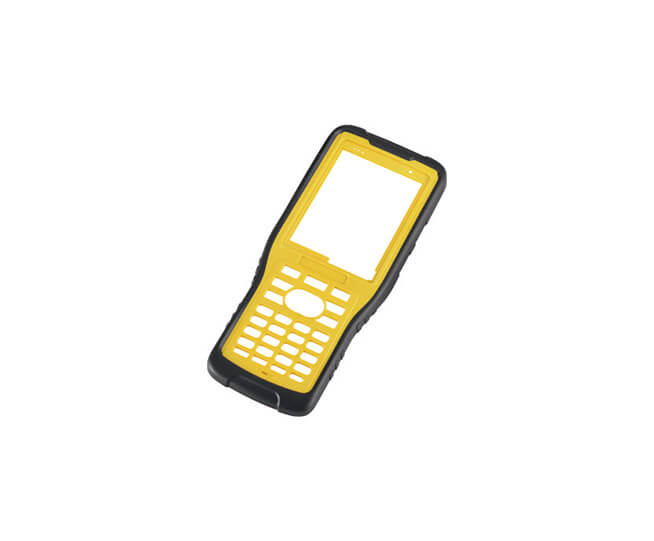
The production process of an injection molded part usually includes several key steps:
The process starts with product drawings or 3D models. Engineers analyze the structure, material requirements, and manufacturing feasibility before creating the injection mold.
A well-designed mold helps improve:
Product accuracy
Surface quality
Production efficiency
Mold lifespan
Plastic pellets are heated until they become molten. Different applications require different plastic materials depending on strength, temperature resistance, flexibility, and chemical performance.
The melted plastic is injected into the mold cavity under high pressure. After cooling and solidifying, the molded part is removed from the mold.
This process allows manufacturers to create thousands or even millions of identical parts with stable dimensions.
Injection molding is used to manufacture a wide range of products across different industries.
The automotive industry relies heavily on injection molding because plastic parts need to be lightweight, strong, and cost-efficient.
Common automotive injection molded products include:
Interior panels
Dashboard components
Door handles
Bumpers
Clips and fasteners
Engine covers
Electrical connectors
Custom injection molded automotive parts help manufacturers reduce vehicle weight while maintaining durability.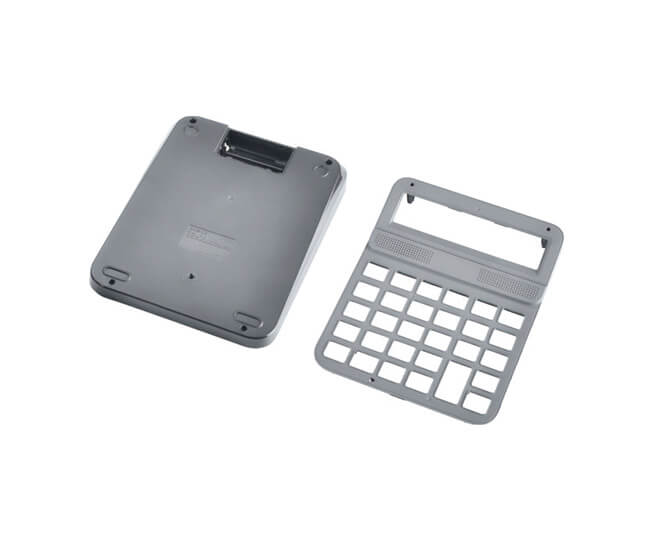
Many electronic products use plastic injection molded parts for protection, insulation, and appearance.
Examples include:
Electronic housings
Device covers
Switch components
Connector parts
Battery cases
Plastic frames
Injection molding provides excellent dimensional accuracy, which is important for electronic assemblies.
Medical applications require high precision and strict quality control.
Common medical injection molded products include:
Medical device housings
Laboratory equipment parts
Disposable medical components
Plastic instrument components
Manufacturers often choose engineering plastics that provide strength, chemical resistance, and reliability.
Many everyday items are produced using injection molding.
Examples include:
Kitchen products
Storage containers
Toys
Household accessories
Packaging products
Plastic Tools
Because injection molding supports high-volume production, it is ideal for consumer products requiring millions of identical units.
Choosing the correct plastic material is important for the performance of an injection molded product.
ABS is one of the most commonly used injection molding plastics.
Advantages:
Good impact resistance
Easy processing
Excellent surface finish
Applications:
Electronic housings
Automotive parts
Consumer products
PP is lightweight and has excellent chemical resistance.
Applications:
Containers
Automotive components
Medical products
PC provides high strength and transparency.
Applications:
Protective covers
Optical components
Industrial parts
Nylon is widely used for parts requiring mechanical strength and wear resistance.
Applications:
Gears
Mechanical components
Industrial parts
POM offers excellent dimensional stability and low friction.
Applications:
Precision mechanical components
Automotive parts
Moving components
Injection molding uses extend across many industries because of its flexibility and efficiency.
Major applications include:
| Industry | Injection Molded Applications |
|---|---|
| Automotive | Interior parts, clips, covers |
| Electronics | Cases, connectors, housings |
| Medical | Equipment parts, disposable products |
| Consumer Goods | Toys, containers, accessories |
| Industrial | Machine components, brackets |
Choosing injection molding provides several advantages:
Injection molding is suitable for mass production because one mold can create many identical parts quickly.
Modern injection molding equipment helps maintain accurate dimensions and repeatable quality.
Manufacturers can create detailed shapes, thin walls, and customized structures.
Although mold development requires initial investment, the cost per part becomes lower during large-volume production.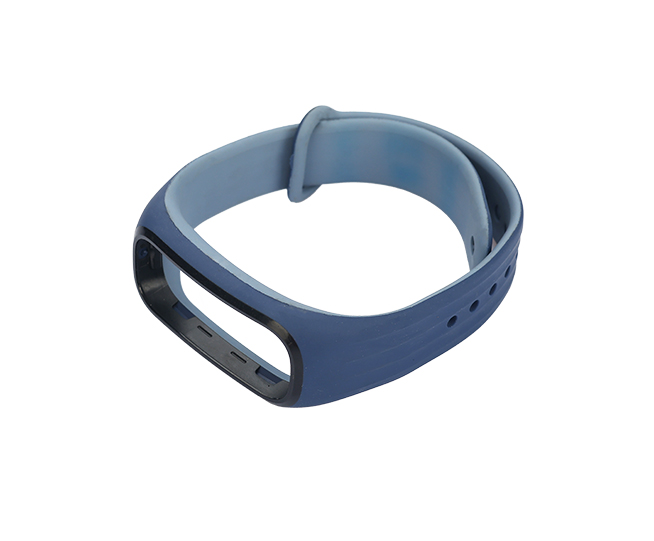
When selecting an injection molding supplier, consider:
An experienced manufacturer can provide better mold design suggestions and production solutions.
Different applications require different plastic materials. A professional supplier should help select suitable materials.
Reliable inspection processes ensure every injection molded part meets customer requirements.
OEM and ODM services allow manufacturers to produce customized plastic parts based on drawings, samples, or specifications.
Youking Mould provides professional injection molding solutions for customers requiring high-quality plastic parts and precision molds.
From mold design and manufacturing to injection molding production, we help customers develop reliable products for different industries.
Whether you need a small batch prototype or large-scale production, our team can provide customized solutions based on your project requirements.
Need custom injection molded parts? Contact Youking Mould for professional injection molding solutions.
We attach great importance to the customers' demands for product quality and rapid production.
We always believe that meeting the customers' needs is the realization of our value!