


 English

News
Thu 10 , 2026
Automotive manufacturing uses several types of molds and forming Tools to produce plastic, rubber, and metal components. The appropriate tooling depends on the material, component shape, production volume, and required precision.
From dashboard panels to exterior body parts, each tooling type serves a specific role in producing reliable automotive components.
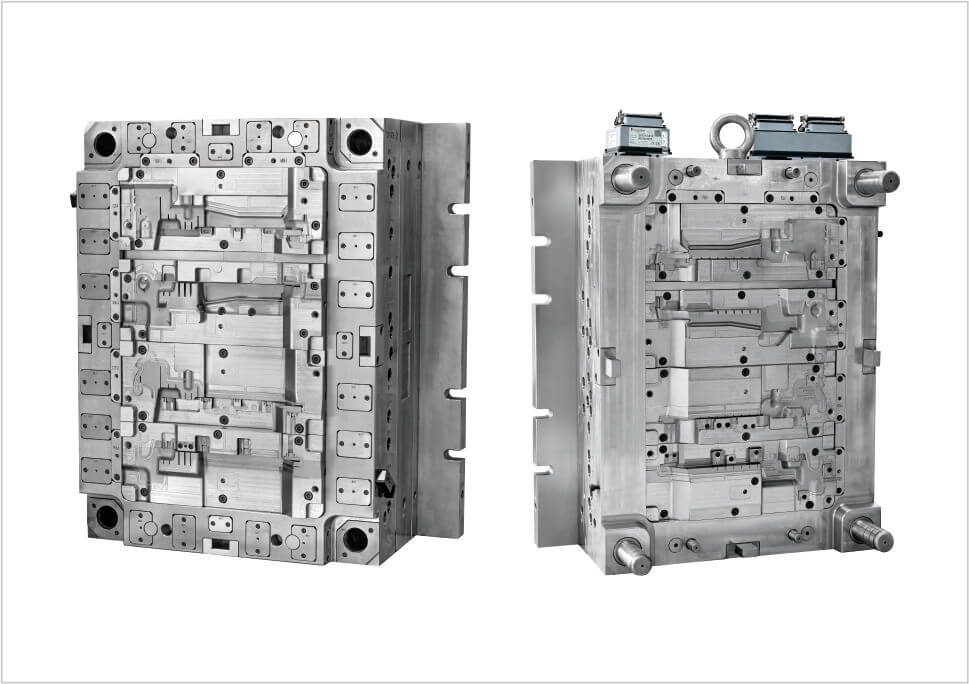
Plastic injection molds are widely used to manufacture automotive components with complex geometries and consistent dimensions. Molten plastic is injected into a closed mold cavity, cooled, and removed as a finished part.
Common applications include dashboards, center consoles, door panels, interior trim, and selected exterior components.
Injection molds can also incorporate features such as clips, ribs, and mounting points directly into a component, reducing the need for additional assembly.
For example, a custom injection mold for a dashboard component must account for dimensional stability, surface appearance, and the mounting features required for vehicle assembly.
Compression molding is commonly used for certain rubber components and thermosetting materials. Material is placed into a heated mold cavity, where pressure and temperature help form the finished part.
Rubber molding is used to manufacture seals, gaskets, vibration-damping components, and selected protective parts.
The mold Design must consider material shrinkage, curing conditions, and flash removal to ensure consistent component dimensions and sealing performance.
Blow molds are used to manufacture hollow plastic components. A heated plastic tube or preform is expanded against the inside of a mold using air pressure or another suitable process.
Automotive applications include selected fluid reservoirs, air ducts, and hollow plastic containers, depending on the material and manufacturing method.
Blow molding is particularly useful when a component requires a hollow structure that would be difficult or inefficient to produce using a conventional solid injection-molded design.
Metal stamping dies are forming tools rather than molds in the conventional plastic-processing sense, but they play an equally important role in automotive production.
They use presses to cut, bend, or form sheet metal into specific shapes. Common applications include doors, hoods, fenders, brackets, and structural body panels.
Progressive dies and transfer dies support different production requirements, with tooling selection depending on part complexity, production volume, and manufacturing sequence.
Selecting suitable tooling requires balancing material requirements, component design, production targets, and overall manufacturing cost.
| Selection Factor | Why It Matters |
|---|---|
| Component material | Determines the suitable molding or forming process |
| Part geometry | Influences mold structure and manufacturing complexity |
| Production volume | Affects tooling investment and expected tool life |
| Dimensional tolerances | Determines precision and inspection requirements |
| Surface finish | Influences cavity finishing and texture requirements |
| Production cycle | Affects output, cooling, and process efficiency |
For example, a high-volume plastic interior component may require a durable injection mold with an optimized cooling system, while a rubber sealing component may require a compression mold designed around its curing and demolding requirements.
The main tooling types used in automotive manufacturing include plastic injection molds, rubber and compression molds, blow molds, and metal stamping dies. Each supports different materials and component designs.
For automotive OEM buyers, selecting the right tooling begins with clearly defining the component's material, geometry, production volume, and quality requirements. These details help manufacturers recommend an appropriate process and develop tooling for reliable production.
We attach great importance to the customers' demands for product quality and rapid production.
We always believe that meeting the customers' needs is the realization of our value!