


 English

News
Sat 10 , 2026

Electronic molds are precision manufacturing Tools used to produce plastic and other molded components for electronic devices and electrical equipment. They help manufacturers create parts with accurate dimensions, complex structures, and consistent quality.
From connector housings and switch components to electronic enclosures and consumer electronics parts, electronic molds support the production of components used in a wide range of electronic products.
As electronic devices become smaller and more integrated, mold Design and manufacturing precision are increasingly important for producing components that fit accurately and perform reliably.
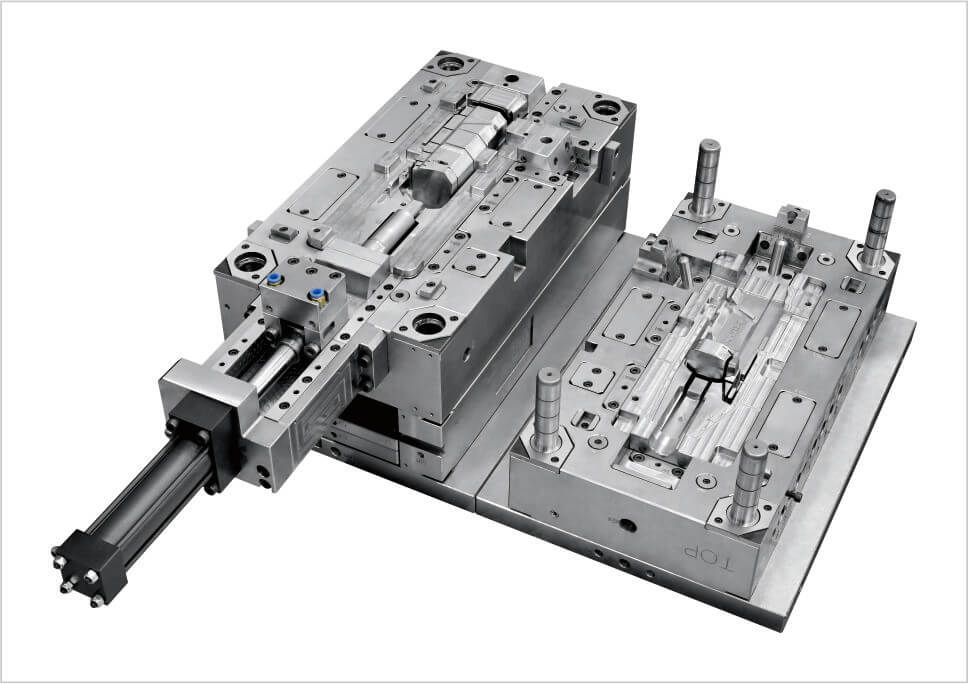
Electronic molds are used in different electronic manufacturing sectors. Their applications depend on the product structure, material requirements, and production process.
Consumer electronics manufacturers use molded components to produce housings, internal supports, and functional parts.
Common applications include:
Mobile phone housings and internal components
Computer and laptop housings
Headphone and earphone components
Remote control enclosures
Smart device accessories
For example, plastic injection molds can produce laptop housing components with integrated mounting structures, ventilation openings, and precise assembly features.
Connectors require accurate dimensions because their housings must accommodate metal terminals and maintain proper electrical insulation.
Electronic molds are commonly used to produce:
Connector housings
Terminal blocks
Insulating components
Cable connector covers
Switch housings
For these applications, dimensional accuracy and material properties are particularly important. The molded components must match the specifications of the corresponding electrical contacts and assembly structures.
Many electronic products require protective housings to support internal components and provide structural protection.
Examples include:
Power supply enclosures
Control panel housings
Sensor housings
Electronic control unit cases
Instrument enclosures
Depending on the application, these components may require impact resistance, heat resistance, insulation properties, or protection against dust and moisture.
Electronic molds are also used to manufacture selected components for LED lighting and electrical lighting equipment.
Common molded parts include:
LED light housings
Lamp bases
Diffuser components
Connector covers
Mounting brackets
For example, an LED lighting manufacturer may use injection molds to produce plastic housings with integrated mounting features, helping simplify subsequent assembly.
Industrial electronic products often require molded components that can withstand demanding operating environments.
Applications include sensor housings, industrial switches, control equipment enclosures, and protective cable components.
These parts may require materials with specific thermal, mechanical, and electrical insulation properties.
Different electronic components require different mold designs and manufacturing methods.
1. Plastic Injection Molds
Plastic injection molds are widely used to produce electronic housings, connector components, switches, and internal structural parts. They support repeatable production of complex plastic geometries.
2. Precision Injection Molds
Precision molds are designed for components with tight dimensional requirements, small features, and accurate assembly interfaces.
They are particularly useful for connector housings and miniature electronic components.
3. Two-Color Injection Molds
Two-color molds produce components combining two colors or materials in a single molding process. They can be used for electronic buttons, control panels, and products with integrated decorative or functional surfaces.
4. Insert Molds
Insert molding involves placing a metal or other preformed component inside the mold before injecting plastic around it.
This process is commonly used for electronic connector components, terminals, and parts that combine metal inserts with plastic insulation or structural support.
Material selection is important because electronic components may require electrical insulation, heat resistance, dimensional stability, and mechanical strength.
Common materials include:
ABS: Used for electronic housings and consumer device enclosures.
PC: Offers impact resistance and is suitable for selected transparent or durable components.
PC/ABS: Used in electronic housings where a balance of impact resistance and processing performance is required.
PA (Nylon): Common in connector housings and electrical components requiring mechanical and thermal performance.
PBT: Frequently used for electrical connectors and insulating components because of its dimensional stability and electrical properties.
PPS: Used in selected demanding electronic applications requiring high heat resistance and dimensional stability.
For example, a connector housing exposed to elevated operating temperatures may require a different material from a standard remote control enclosure.
Electronic components often contain small structures and multiple assembly interfaces. Even minor dimensional deviations can affect component fitting and product functionality.
Precision mold manufacturing helps address several important requirements:
Accurate Component Dimensions: Supports compatibility with electronic terminals, circuit boards, and other internal parts.
Consistent Wall Thickness: Helps reduce warpage and uneven shrinkage.
Reliable Insulation Structure: Supports the intended electrical separation between conductive components.
Repeatable Production: Helps maintain consistent dimensions across large production batches.
For example, a plastic connector housing must provide the correct terminal positioning and spacing. If the molded cavities are inaccurate, the finished component may not fit properly during connector assembly.
When evaluating an electronic mold manufacturer, buyers should consider:
Experience with precision electronic injection molds.
Knowledge of engineering plastics and insulation materials.
Capabilities in insert molding and two-color molding.
Precision machining and mold testing equipment.
Dimensional inspection and quality control procedures.
Ability to support customized mold design and development.
Requesting sample components and reviewing previous electronic mold projects can help buyers assess whether a manufacturer has the technical capabilities required.
Electronic molds are used to manufacture a wide range of components for consumer electronics, electrical connectors, equipment enclosures, LED lighting, and industrial electronic products.
The right mold design depends on component dimensions, material properties, assembly requirements, and operating conditions. For electronic manufacturers, working with an experienced mold supplier helps improve dimensional consistency and supports reliable mass production.
We attach great importance to the customers' demands for product quality and rapid production.
We always believe that meeting the customers' needs is the realization of our value!
Copyright © 2026 YouKing Mould Co., Ltd All rights reserved.| Sitemap| Sitemap
Privacy Policy / Cookie Policy / Terms & Conditions