


 English

News
Fri 11 , 2026

injection molding is widely used in the toy industry to manufacture plastic components with consistent shapes, detailed Designs, and repeatable dimensions. From action figures and building blocks to doll accessories and electronic toy housings, this process supports the production of many different toy products. It is particularly useful for manufacturers that need to produce large quantities while maintaining consistent product quality.
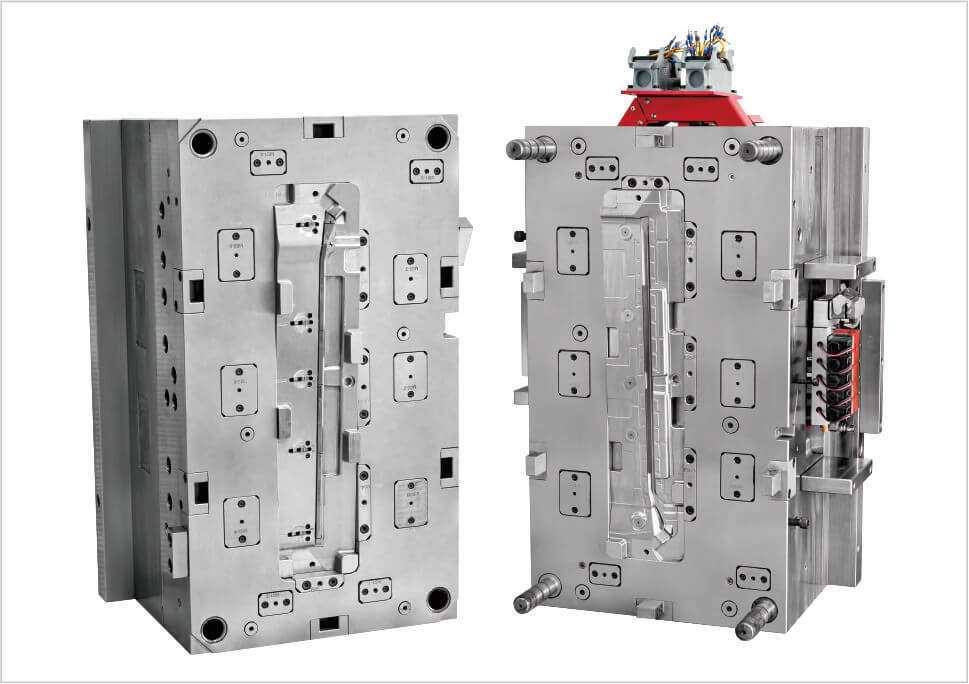
Injection molding is suitable for manufacturing both small toy components and larger plastic parts. Its applications cover several common toy categories.
Plastic figures and action figures often contain multiple components, including heads, bodies, arms, legs, and accessories. Injection molding allows manufacturers to produce these parts separately and assemble them into complete figures.
For example, a toy manufacturer can use different molds to produce character bodies and accessories, with each component designed to fit together during assembly.
Building blocks require accurate dimensions because individual pieces must connect properly. Injection molding helps maintain consistent shapes and connection structures across production batches.
ABS plastic is commonly used for building blocks because of its rigidity, impact resistance, and dimensional stability.
Doll shoes, furniture, miniature household items, vehicle components, and other small accessories can also be manufactured through injection molding.
This process is suitable for producing parts with different shapes and surface textures, making it useful for both functional components and decorative toy details.
Many electronic toys use injection-molded plastic housings to protect internal components. Examples include remote-controlled toys, educational devices, and battery-operated playsets.
Manufacturers can design housings with openings, snap-fit structures, and mounting points to accommodate electronic components.
Injection molding offers several practical advantages for toy manufacturers, particularly when production involves complex designs or large quantities.
Consistent Product Dimensions
Once the mold and processing conditions are properly established, injection molding can produce parts with repeatable dimensions. This is important for toys containing multiple components that need to fit together.
Suitable for Complex Designs
Mold structures can incorporate different shapes, grooves, connection points, and surface details. This gives product designers more flexibility when developing toy components.
Suitable for Mass Production
After mold development and process testing, manufacturers can produce large quantities using the same Tooling. This helps maintain consistency across production batches.
Material Selection Flexibility
Common injection molding materials include ABS, PP, PE, and other thermoplastics. The appropriate material depends on the toy's intended use, required strength, flexibility, appearance, and applicable safety standards.
Different toy applications require different material properties.
ABS: Suitable for rigid toy parts, building blocks, and structural components because of its impact resistance and dimensional stability.
PP (Polypropylene): Used for lightweight toy components and parts that require some flexibility.
PE (Polyethylene): Often selected for flexible or impact-resistant toy components.
PVC (Polyvinyl Chloride): Used in certain toy products and figure components, depending on the formulation and applicable safety requirements.
For example, a toy figure may combine rigid plastic components with softer PVC parts to achieve different textures and product characteristics. Material selection should consider relevant regulations, including EN 71 in Europe and ASTM F963 in the United States.
The quality of injection-molded toys depends on more than the molding machine. Mold design, material quality, processing conditions, and post-production inspection all influence the final product.
For example, insufficient mold filling may cause short shots, while unsuitable cooling conditions can lead to warping or dimensional changes. Poor mold maintenance may also affect surface appearance and product consistency.
A practical quality control process generally includes:
Checking incoming plastic materials.
Inspecting mold condition before production.
Monitoring molding parameters during production.
Checking product dimensions and surface appearance.
Inspecting assembled toys before packaging.
Toy manufacturers should also evaluate mechanical and physical safety requirements, such as small parts, sharp edges, and material-related restrictions, according to the target market.
Yes. Injection molding is often combined with other manufacturing processes to produce toys with more detailed appearances and different material characteristics.
For example, a plastic figure may use injection molding for its main structural components, followed by pad printing or spray painting to create facial features and decorative patterns.
For collectible figures, manufacturers may also combine rigid injection-molded parts with PVC components or other materials to achieve the intended appearance and feel.
This combination allows manufacturers to develop products with different structures, colors, surface finishes, and functional requirements.
Injection molding plays an important role in modern toy manufacturing. Its applications include plastic figures, building blocks, doll accessories, and electronic toy housings. By selecting suitable materials, designing appropriate molds, and maintaining consistent production controls, manufacturers can produce toy components that meet different product and market requirements.
For businesses developing custom plastic figures, vinyl toys, or other plastic toy products, understanding the available molding processes is an important step toward choosing the right manufacturing solution.
We attach great importance to the customers' demands for product quality and rapid production.
We always believe that meeting the customers' needs is the realization of our value!
Copyright © 2026 YouKing Mould Co., Ltd All rights reserved.| Sitemap| Sitemap
Privacy Policy / Cookie Policy / Terms & Conditions