


 English

News
Thu 11 , 2026

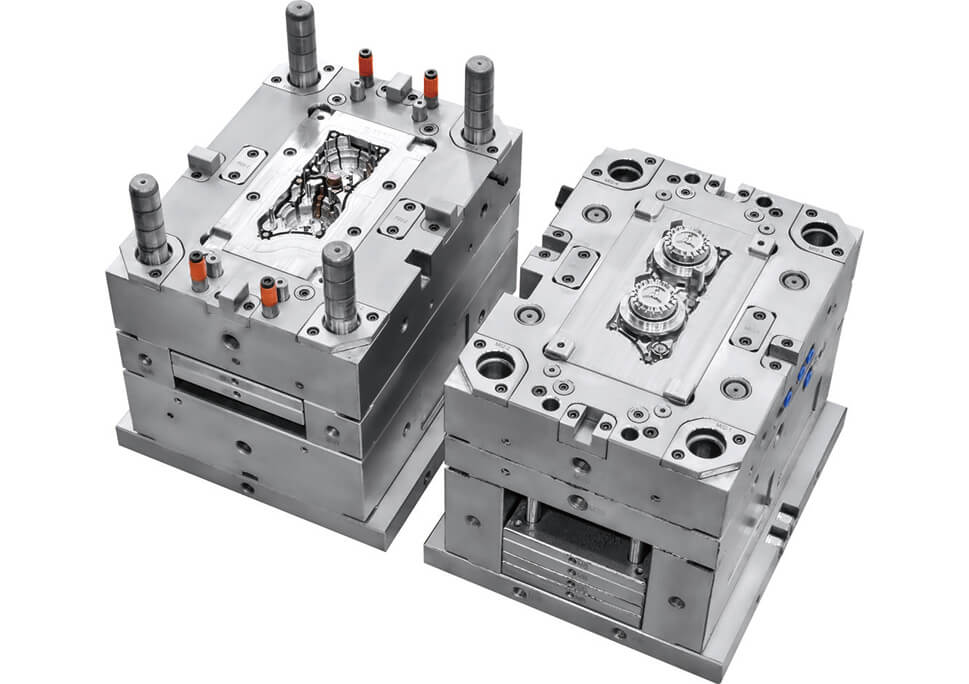
Automotive molds play an important role in manufacturing car lighting components, including headlight lenses, taillight covers, lamp housings, reflectors, and internal structural parts. These components often require precise dimensions, consistent optical properties, and reliable assembly performance.
injection molding is commonly used to produce plastic lighting components because it supports complex geometries, repeatable production, and different material options. Depending on the component Design, manufacturers may use precision injection molds, multi-cavity molds, or specialized optical molds to meet production requirements.
Automotive lighting systems contain several plastic components, each with different manufacturing requirements.
Headlight Lenses
Headlight lenses are commonly manufactured using transparent optical-grade polycarbonate (PC). These parts require good light transmission, dimensional accuracy, and controlled surface quality.
Taillight Covers
Taillight covers are often produced using transparent or colored plastic materials. Injection molds help create the required shapes, mounting structures, and optical surface features.
Lamp Housings
Headlight and taillight housings provide structural support and protect internal lighting components. They are commonly manufactured using engineering plastics such as polypropylene (PP), PC/ABS, or other suitable materials.
Reflectors and Internal Components
Reflectors and internal lamp structures help control light distribution. Depending on the design, they may be injection-molded and subsequently receive reflective coatings or other surface treatments.
Automotive lighting components require a combination of appearance, dimensional accuracy, and functional performance.
Injection molding offers several manufacturing advantages:
Complex Geometries: Molds can produce curved lenses, mounting features, clips, and detailed internal structures.
Consistent Dimensions: Properly designed molds support repeatable production and accurate component assembly.
Optical Surface Control: Precision mold finishing is important for transparent lenses and light-related surfaces.
Material Flexibility: Different polymers can be selected according to transparency, impact resistance, heat resistance, and structural requirements.
Mass Production Capability: Injection molding is suitable for producing large quantities of automotive lighting components with consistent Tooling.
For example, a headlight lens may require a complex curved surface to match the lamp assembly and support the intended optical design. The mold cavity must be manufactured and polished carefully to reproduce the specified geometry and surface finish.
Material selection depends on whether the material is used to manufacture the mold or the final lighting component.
Materials for Lighting Components
Polycarbonate (PC): Commonly used for headlight lenses because of its transparency and impact resistance.
PMMA (Acrylic): Offers good optical clarity and is used in selected lighting covers and optical components.
ABS: Used for certain internal housings and structural parts.
PP: Suitable for selected lamp housings and supporting components.
PC/ABS: Used in applications requiring a balance of impact resistance and dimensional performance.
Materials for Injection Molds
P20, S136, and other suitable tool steels may be selected according to production volume, surface finishing requirements, and the plastic material being processed.
For optical-grade components, mold surface quality and cavity precision are particularly important because surface imperfections can affect the appearance and optical performance of the finished part.
Mold precision directly influences the dimensions, surface quality, and assembly compatibility of automotive lighting components.
Several factors require attention:
Cavity Surface Finish
Headlight lenses and transparent covers require carefully finished mold cavities to achieve the required surface quality.
Dimensional Accuracy
Mounting points, connecting structures, and lens dimensions must match the lighting assembly design.
Cooling System Design
Uneven cooling may contribute to shrinkage differences, residual stress, and warpage. A suitable cooling system helps maintain dimensional consistency.
Material Flow
Gate location and runner design influence how molten plastic fills the cavity. Poor material flow may result in weld lines, air traps, or other molding defects.
For instance, an automotive headlight lens with uneven wall thickness may experience different cooling rates across the part. This can lead to dimensional changes or optical defects if the mold and process are not properly optimized.
Automotive lighting molds require careful engineering before production begins.
Important considerations include:
Optical Requirements: Identify the transparency, surface finish, and light transmission requirements of the component.
Material Compatibility: Select mold steel and surface treatments according to the intended plastic material.
Mold Cooling: Design suitable cooling channels to support uniform temperature control.
Gate and Runner Design: Optimize material flow to reduce visible defects and improve cavity filling.
Dimensional Inspection: Verify critical dimensions and assembly features during mold testing.
Production Requirements: Consider mold life, cavity quantity, cycle time, and expected production volume.
Automotive molds are essential for producing car lighting components such as headlight lenses, taillight covers, lamp housings, and reflectors. precision injection molding supports complex component geometries, consistent dimensions, and controlled surface finishes.
Successful automotive lighting mold manufacturing depends on appropriate material selection, cavity precision, mold cooling, and process optimization. These factors help ensure that molded lighting components meet their appearance, assembly, and functional requirements.
We attach great importance to the customers' demands for product quality and rapid production.
We always believe that meeting the customers' needs is the realization of our value!
Copyright © 2026 YouKing Mould Co., Ltd All rights reserved.| Sitemap| Sitemap
Privacy Policy / Cookie Policy / Terms & Conditions